
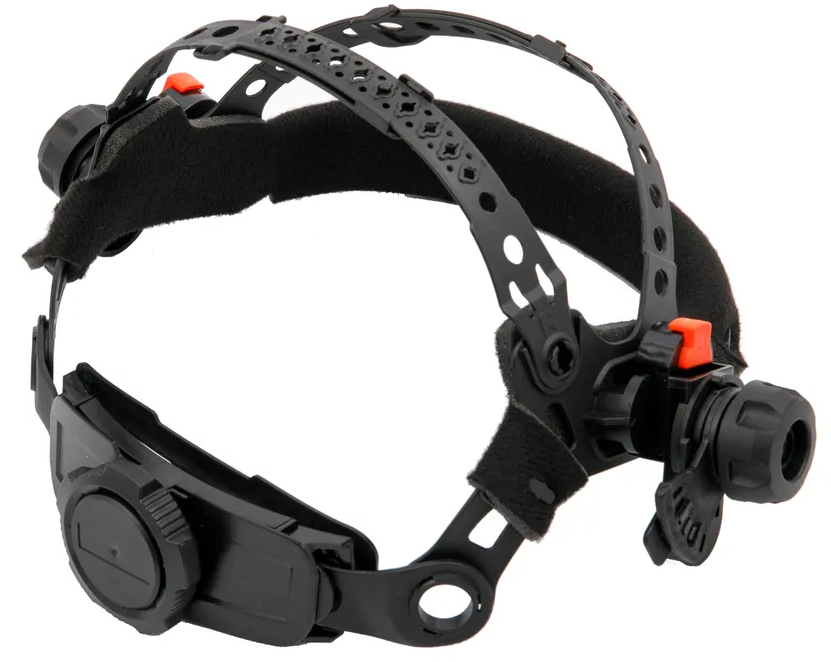
Choosing the right welding helmet is crucial for both safety and comfort. A secure fit ensures that the welding helmet stays in place, allowing me to focus on my work without distractions. I’ve learned that effective welding helmet headgear can significantly reduce headaches caused by poor fitting. It’s essential to prioritize stability and comfort when selecting welding headgear, as these factors can greatly enhance the overall welding experience.
Key Takeaways
- Choosing the right welding helmet is essential for safety and comfort. A secure fit allows you to focus on your work without distractions.
- Measure your head and refer to sizing guides to find a helmet that fits snugly. A well-fitted helmet enhances comfort and safety.
- Opt for lightweight helmets to reduce fatigue during long welding sessions. Helmets under 3 pounds are ideal for comfort.
- Regularly inspect and maintain your helmet to ensure longevity. Clean it monthly and store it in a cool, dry place to preserve its condition.
- Consider Tynoweld helmets for their superior comfort, stability, and durability. They often outperform regular-quality options in fit and performance.
- Test the helmet’s fit by adjusting straps and checking for comfort. A snug fit prevents headaches and distractions while welding.
Criteria for Evaluation
Size and Fit
When selecting a welding helmet, size and fit are paramount. A helmet that fits well not only enhances comfort but also ensures safety. I always measure my head and refer to the manufacturer’s sizing guides. This step helps me find a helmet that sits snugly without being overly tight.
To evaluate the fit, I consider several factors:
| Criteria | Description |
|---|---|
| Helmet Position | The helmet should sit level and cover critical skull areas. |
| Movement | I check for no more than 1-2 finger widths of movement when shaking my head. |
| Pressure Points | I assess for minimal pressure points during a 30-minute wear test. |
| Gear Compatibility | The helmet should feel comfortable with my full gear ensemble. |
| Chinstrap Adjustment | I ensure it allows proper adjustment without restriction. |
Weight Considerations
Weight plays a significant role in helmet selection. A lighter helmet reduces fatigue during long welding sessions. I often find myself wearing a helmet for hours, so I prioritize those that balance protection and weight. Helmets that are too heavy can lead to neck strain, making it difficult to focus on the task at hand.
In my experience, I prefer helmets that weigh less than 3 pounds. This weight range allows me to work comfortably without feeling burdened. Additionally, I look for helmets with a well-designed suspension system that distributes weight evenly across my head.
Top Helmet Recommendations
Tynoweld HG1–Comfortable Nylon Materials
The Tynoweld HG1 stands out as a top choice for welding helmet headgear. I appreciate its adjustable headgear, which allows me to customize the fit easily with a simple knob. This feature ensures that I can achieve a snug fit without compromising comfort. The HG1 also includes a sweatband that absorbs moisture, keeping me comfortable during long welding sessions.
| Feature | Description |
|---|---|
| Adjustable Headgear | Easily adjustable with a knob, allowing for customization while wearing the helmet. |
| Sweatband | Absorbs moisture, enhancing comfort during use. |
| Lightweight Structure | Ensures balance and reduces strain on the user’s head. |
| Three Points of Contact | Distributes weight evenly across the head for improved stability. |
| Contoured Design | Establishes multiple contact points to optimize balance and comfort. |
| Flexible, Padded Headbands | Eliminates pressure points, enhancing overall comfort during extended use. |
I have found that the lightweight structure of the HG1 significantly reduces neck strain, allowing me to focus on my work without discomfort. The contoured design and flexible padded headbands make it easy to wear for extended periods, which is essential for my welding projects.
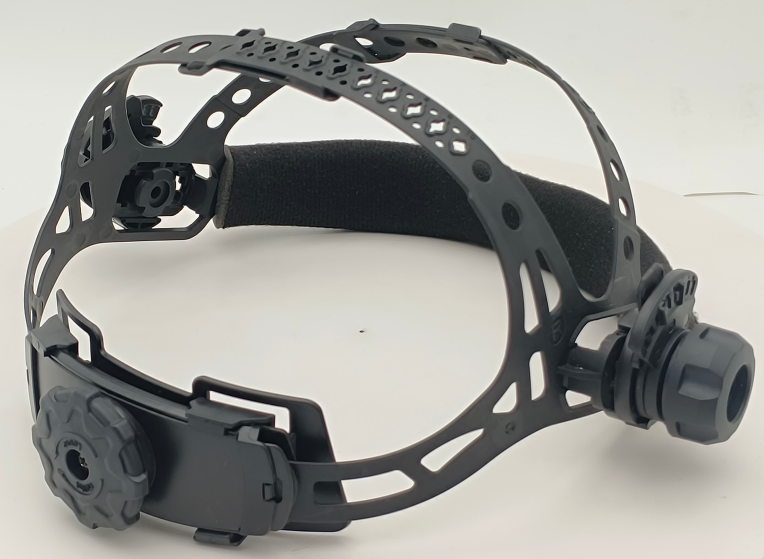
Tynoweld HG4– classical headgears over 6 years
The Tynoweld HG4 is another excellent option that I highly recommend. This helmet features advanced ventilation systems that keep me cool during intense welding sessions.
One of the standout features of the HG4 is its enhanced impact resistance. I feel confident knowing that this helmet provides superior protection without sacrificing comfort. The adjustable headgear ensures a secure fit, which is crucial for maintaining stability while I work.
In my experience, the HG4 excels in both comfort and safety. The combination of its lightweight design and effective ventilation makes it a reliable choice for long hours of welding. I appreciate how it allows me to maintain focus without the distraction of heat or discomfort.
Tynoweld HG5
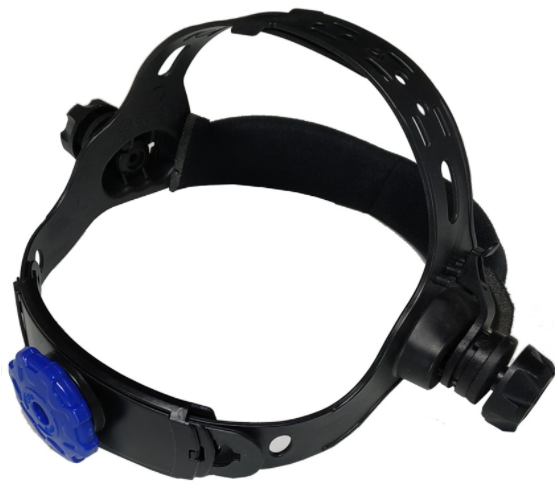
Lastly, the Tynoweld HG5 deserves a mention for its innovative features.
The HG5 also includes an adjustable headband that conforms to my head shape, providing a secure fit. This helmet’s design minimizes pressure points, making it comfortable to wear for extended periods. The lightweight construction further enhances its usability, allowing me to work without feeling fatigued.
Overall, the Tynoweld HG5 combines advanced lens technology with a comfortable fit, making it an excellent choice for welders who prioritize both visibility and comfort. I have consistently found that this helmet meets my needs during demanding welding projects.
Tynoweld HG6
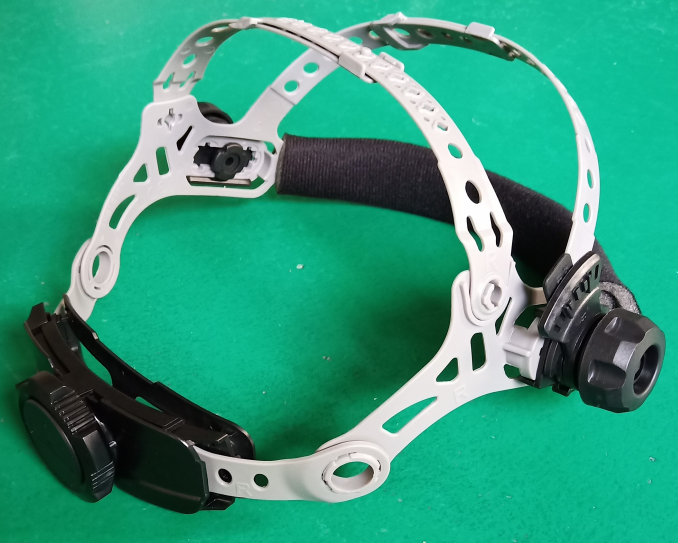
The Tynoweld HG6 helmet is a remarkable addition to the Tynoweld lineup, designed with unique features that enhance headgear stability. I appreciate how this helmet combines comfort with functionality, making it a reliable choice for long welding sessions.
One of the standout aspects of the HG6 is its adjustable knob, which allows me to make quick adjustments while wearing the helmet. This feature is particularly useful when I need to fine-tune the fit without removing the helmet. Additionally, the crown and circumference adjustments provide a customizable fit for different head sizes, ensuring that I can achieve a snug yet comfortable feel.
Here’s a breakdown of the unique design elements that contribute to the stability of the Tynoweld HG6:
| Design Element | Description |
|---|---|
| Adjustable Knob | Allows for easy adjustments while wearing the helmet. |
| Crown and Circumference Adjustments | Provides customizable fit for different head sizes. |
| Ratchet Fastener Assembly | Ensures secure attachment of headgear to the helmet. |
| Sweatband | Absorbs sweat for added comfort during use. |
| Three Points of Contact | Distributes weight evenly across the head for improved stability. |
| Six Contact Points | Optimizes balance by contouring to the head. |
| Slide Adjustments | Facilitates personalized fit for individual users. |
| Flexible, Padded Headbands | Reduces pressure on the head for enhanced comfort. |
I find that the HG6′s design minimizes pressure points, allowing me to wear it for extended periods without discomfort. The flexible, padded headbands further enhance comfort, making it easier to focus on my work. The vertical position hinge is another thoughtful feature, as it keeps the helmet out of my line of sight, ensuring I can maintain visibility while welding.
User Reviews and Experiences
Positive Feedback on Tynoweld Helmets
I have come across numerous positive reviews regarding Tynoweld helmets, and many users echo my sentiments. The benefits of these helmets are frequently highlighted in user feedback. Here’s a summary of the most commonly mentioned advantages:
Many users appreciate how Tynoweld helmets enhance their welding experience. The combination of comfort, visibility, and protection makes them a preferred choice for both novice and experienced welders.
Common Complaints About Other Brands
While Tynoweld helmets receive high praise, I have noticed several common complaints about other brands. These issues often revolve around fit and comfort. Here are some of the most frequently mentioned problems:
- Sweat streams into the eyes, causing distraction and discomfort.
- Users experience pain in the ears due to padding pressure during long time.
- Proper fit is essential for protection, with emphasis on adjustments for comfort.
These complaints highlight the importance of selecting a helmet that not only fits well but also provides adequate comfort during extended use.
Long-term User Experiences
Long-term users of Tynoweld helmets consistently report high satisfaction levels. Many have shared their experiences regarding durability and comfort compared to competitors. Here are some key takeaways from their feedback:
- Users report that Tynoweld helmets last over five years with minimal maintenance, while competitors often require more frequent repairs or part replacements.
- The ergonomic design and lightweight construction of Tynoweld helmets reduce neck stress and enhance comfort during long welding sessions.
- The TrueColor lens technology helps reduce eye strain, making Tynoweld a preferred choice for extended use.
These insights reinforce my belief that investing in quality welding helmet headgear pays off in the long run. The combination of durability, comfort, and performance makes Tynoweld helmets a standout option for anyone serious about welding.
Tips for Proper Fit
Achieving a proper fit for your welding helmet is essential for both safety and comfort. I have learned that a well-fitted helmet not only protects my head but also prevents discomfort and headaches during long welding sessions. Here are some tips I follow to ensure my helmet fits securely and comfortably.
Adjusting Straps for Security
Adjusting the straps correctly is crucial for maximizing security and minimizing discomfort. Here’s how I do it:
- I start by placing the helmet level on my head, ensuring it covers my forehead and sits one to two fingers above my eyebrows.
- Next, I adjust the side straps to form a ‘V’ shape below my ears. This positioning ensures they are neither too loose nor too tight.
- I fasten the chin strap snugly, allowing for one to two fingers between the strap and my chin. This snug fit keeps the helmet in place without causing irritation.
- After making these adjustments, I shake my head gently to check the helmet’s stability. If it shifts, I tighten the straps further.
Following these steps helps me achieve a secure fit that stays in place, allowing me to focus on my work without distractions.
Positioning the Helmet Correctly
Proper helmet positioning is vital for preventing headaches and ensuring stability. I always make sure that:
- The helmet fits snugly but not too tight, sitting about one inch above my brow.
- I utilize the Flip-Fold Fit System to adjust the inner liner for added comfort.
- I engage all tabs and adjust any areas that feel too snug. If the helmet remains uncomfortable after adjustments, I consider trying a larger size.
These practices help me maintain a comfortable fit throughout my welding tasks, reducing the risk of discomfort and headaches.
Testing for Comfort
Before committing to a helmet, I perform several tests to assess its comfort. Here are the steps I take:
- I check that the helmet’s interior is made of hypoallergenic materials that wick away sweat. This feature is essential for long-term comfort.
- I ensure the interior is removable and washable, which helps maintain hygiene and comfort over time.
- If necessary, I consider replacing parts of the interior for a better fit, especially if I have a unique face shape.
By following these guidelines, I can confidently select a helmet that provides both comfort and protection. A well-fitted helmet enhances my welding experience, allowing me to work efficiently and safely.
Maintenance Tips for Longevity
Maintaining my welding helmet is essential for ensuring its longevity and performance. I have learned that a few simple maintenance routines can significantly extend the life of my helmet while preserving its fit and comfort. Here are some tips I follow to keep my helmet in top shape:
- Keep it Cool and Dry: I always store my helmet in a cool, dry place, away from direct sunlight. Excessive heat can degrade the materials over time, affecting both fit and safety.
- Avoid Heavy Objects: I never place heavy items on my helmet or hang it by the straps. This practice helps maintain its shape and prevents unnecessary wear.
Daily inspections are also crucial. I conduct visual checks to look for any signs of damage or wear. This routine helps me catch potential issues before they become serious problems. Here’s what I focus on during my inspections:
- Check for Damage: I look for cracks, scratches, or any signs of wear on the helmet shell and lens.
- Assess the Fit: I ensure that the helmet still fits snugly and comfortably. If it feels loose, I adjust the straps accordingly.
Cleaning my helmet regularly is another important aspect of maintenance. I perform a thorough cleaning at least once a month using mild soap and warm water. This process removes dirt and sweat that can accumulate over time. Here’s how I do it:
- Disassemble the Helmet: I carefully remove any removable parts, such as the lens and sweatband.
- Wash with Mild Soap: I use a soft cloth and mild soap to clean the helmet’s exterior. I avoid harsh chemicals that could damage the materials.
- Rinse and Dry: After cleaning, I rinse the helmet with warm water and let it air dry completely before reassembling.
I also keep a log of my helmet’s usage and maintenance. This practice helps me track its condition and plan for any necessary replacements. Additionally, I consult the manufacturer before customizing my helmet with stickers or paint. These modifications can compromise the helmet’s integrity, so I prefer to err on the side of caution.
By following these maintenance tips, I ensure that my welding helmet remains in excellent condition. A well-maintained helmet not only enhances my comfort but also provides the protection I need while working. Investing time in maintenance pays off in the long run, allowing me to focus on my welding tasks without worry.
Welding Helmet Headgear Comparison
When I compare Tynoweld welding helmet headgear to regular-quality helmets, the differences in fit and comfort become evident. A well-fitting helmet can prevent discomfort and fatigue, which are common causes of headaches during prolonged use. I have found that lightweight helmets significantly reduce neck strain, contributing to headache prevention. High-quality helmets like Tynoweld consistently outperform Regular-quality options in terms of fit and comfort.
Tynoweld vs. regular-Quality Helmets
The contrast between Tynoweld helmets and regular-quality alternatives is striking. Here are some key points I’ve observed:
- Fit: Tynoweld helmets offer adjustable headgear that conforms to my head shape, ensuring a snug fit. In contrast, Regular-quality helmets often lack this feature, leading to a loose or uncomfortable fit.
- Weight: Tynoweld helmets are designed to be lightweight, which reduces fatigue during long welding sessions. Regular-quality helmets tend to be heavier, causing neck strain.
- Padding: The padding in Tynoweld helmets is superior, providing comfort during extended wear. Regular-quality helmets often use inferior materials that can lead to pressure points and discomfort.
Durability and Lifespan
Durability is another area where Tynoweld helmets shine. I have noticed that these helmets last significantly longer than their Regular-quality counterparts. Tynoweld helmets are constructed with robust materials that withstand the rigors of welding environments. In my experience, they can last over five years with proper maintenance. On the other hand, Regular-quality helmets often require replacement within a year or two due to wear and tear.
Comfort Features
Comfort features play a crucial role in my choice of welding helmet headgear. I value helmets that prioritize user comfort, especially during long hours of work.
| Key Comfort Features | |
|---|---|
| - Traditional, user-friendly adjustments with a ratchet-style knob for a secure fit. | |
| - Comfort-focused padding to reduce pressure points during extended wear. | |
| - Versatile compatibility with hard hats for added protection. | |
| - Customizable ergonomic fit with four distinct positions for adjustments. | |
| - Precise adjustable liner system to eliminate pressure points and helmet wobble. | |
| - 360° contact with wide surface pads for comprehensive cushioning. | |
| - Advanced ergonomic benefits with customizable precision fit. | |
| - Enhanced features for convenience and control in various work environments. |
I have found that Tynoweld helmets often incorporate these advanced comfort features, making them a top choice for welders like me who prioritize both safety and comfort.
In my exploration of welding helmet headgear, I found that stability and comfort are crucial for an effective welding experience. Key findings indicate that helmet stability decreases significantly when sweating occurs. Comfort correlates positively with stability, while pressure and pain negatively impact the overall experience.
FAQ
What should I look for when buying a welding helmet?
I recommend focusing on fit, weight, padding, and ventilation. A well-fitted helmet reduces discomfort and headaches. Lightweight helmets minimize neck strain, while good padding enhances comfort during long sessions.
How often should I replace my welding helmet?
I suggest replacing your welding helmet every 3 to 5 years, depending on usage and wear. Regular inspections help identify any damage or degradation that may compromise safety.
Can I wear glasses under my welding helmet?
Yes, I often wear safety glasses under my helmet. Ensure the helmet has enough space to accommodate them comfortably without compromising the fit or seal.
How do I clean my welding helmet?
I clean my helmet with mild soap and warm water. I remove any removable parts, wash them separately, and let everything air dry before reassembling.
Are auto-darkening lenses worth it?
Absolutely! I find auto-darkening lenses enhance visibility and safety. They adjust to different light conditions, allowing me to see clearly while protecting my eyes from harmful rays.
How do I ensure a proper fit for my helmet?
I adjust the straps to form a snug fit without pressure points. I also check that the helmet sits level on my head and covers my forehead adequately.
What are the benefits of Tynoweld helmets?
Tynoweld helmets offer superior comfort, stability, and durability. Their advanced padding and ventilation features make them ideal for long welding sessions, reducing the risk of headaches and discomfort.
Post time: Oct-24-2025