
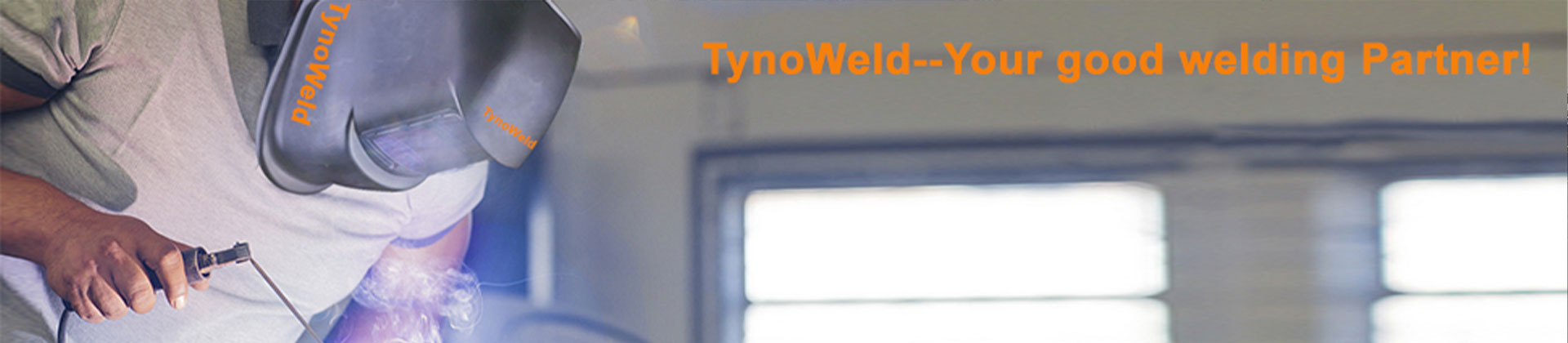
The 2025 Essen Fair stands as a pivotal event in the welding industry, showcasing groundbreaking advancements. With 800 exhibiting firms from 44 nations, the fair attracted 37,000 visitors, including 80% with purchasing roles. This vibrant gathering highlights the industry’s commitment to innovation. One of the standout features this year is the unveiling of innovative welding helmets and respirators. These welding helmets and respirators significantly enhance safety by integrating advanced technologies that protect welders from harmful fumes and improve overall comfort during work.

Key Takeaways
- Welding respirators are essential for protecting welders from harmful fumes and gases, ensuring safety and compliance with health regulations.
- Advanced filtration technologies, like the Powered Air Purifying Respirator (PAPR), offer high efficiency, significantly improving air quality for welders.
- Smart features in modern respirators enhance user experience by providing real-time monitoring of air quality and filter status.
- Ergonomic designs reduce fatigue, allowing welders to work comfortably for longer periods without strain.
- Multi-functional welding helmets, such as auto-darkening models, improve workflow efficiency and safety by eliminating the need for constant helmet adjustments.
- Investing in high-quality welding helmets and respirators can lead to better productivity and a safer work environment.
- Long warranty options from manufacturers reflect confidence in product reliability, providing peace of mind for users.
- User feedback highlights the importance of comfort and visibility in welding respirators, which directly impacts performance and safety.
Overview of Welding Respirators

Definition and Purpose
Welding respirators serve as essential personal protective equipment (PPE) for welders. Their primary function is to safeguard welders from harmful fumes and gases generated during the welding process. I have seen firsthand how these respirators can make a significant difference in a welder’s safety and comfort.
The types of welding respirators vary based on their design and the specific hazards they address.
Importance in Welding Safety
The importance of welding respirators cannot be overstated. They play a crucial role in ensuring compliance with health regulations, which is vital for worker safety. When ventilation fails to provide adequate protection, respirators become essential. I have witnessed how different types of respirators cater to varying fume levels in the environment, ensuring that welders can work safely.
Common respiratory hazards faced by welders include:
- Metal Fumes: Fine particles released from heated metals, containing toxic elements like chromium and nickel.
- Gases: Ozone and carbon monoxide can cause respiratory irritation and chronic diseases.
- Particulate Matter (Dust): Generated from grinding or cutting, this can be inhaled and harm lung health.
To mitigate these risks, welders can choose from various respiratory protection options, including disposable face masks, dust masks, and cup-shaped masks. Each type offers different levels of protection against welding hazards, allowing welders to select the best fit for their specific needs.
In my experience, investing in a high-quality welding helmet equipped with a reliable respirator can significantly enhance safety and comfort during welding tasks.

Overview of Welding Helmet
Multi-Functionality in Helmets
The multi-functionality of modern welding helmets has revolutionized the way welders approach their tasks. I have seen firsthand how these helmets enhance workflow efficiency and overall safety. One of the most significant advancements is the introduction of auto-darkening welding helmets. These helmets allow welders to complete jobs up to 30% faster compared to traditional passive helmets.
Here are some key benefits of multi-functional welding helmets:
- Elimination of Helmet Flipping: Welders no longer need to flip their helmets up and down. This feature allows for better positioning of the torch or electrode, which leads to improved workflow efficiency.
- Adjustable Settings: The ability to adjust sensitivity, shade, or delay settings without changing helmets saves time. This flexibility is crucial when switching between different welding methods.
- Continuity Across Techniques: Using a single helmet across various welding techniques minimizes the learning curve associated with different equipment. Welders can maintain consistent comfort and visibility, which enhances weld quality and reduces fatigue during long sessions.
I appreciate how these innovations not only streamline the welding process but also contribute to a safer working environment. The integration of features like integrated communication systems and built-in respiratory protection further enhances the functionality of these helmets.
In my experience, investing in a high-quality welding helmet that combines these multi-functional features can significantly improve productivity and comfort on the job site. As the industry continues to evolve, I look forward to seeing even more advancements that prioritize the needs of welders.


Design Innovations
The design innovations in the 2025 welding respirators address many previous user complaints. I observed several key changes that enhance usability and comfort:
- Unmatched Convenience: Integrated systems eliminate the need for separate masks and helmets, simplifying the pre-welding process.
- Enhanced Comfort: Features like adjustable head straps and breathable materials provide a comfortable fit, especially during long welding sessions.
- Improved Visibility: Wider viewing areas in the helmets allow for better focus and precision during welding tasks.
These design improvements not only make the respirators more user-friendly but also contribute to overall safety. When welders can see clearly and feel comfortable, they can perform their tasks more effectively. I appreciate how these innovations reflect a deep understanding of the challenges welders face daily.


Warranty and Reliability
When investing in welding respirators, warranty and reliability are critical factors to consider. I have learned that a robust warranty not only reflects the manufacturer’s confidence in their product but also provides peace of mind for users. At the 2025 Essen Fair, several manufacturers highlighted their warranty offerings, which stood out to me for their comprehensiveness and customer support.
Here are some key aspects of warranties that I found particularly noteworthy:
- Duration: Many new models come with extended warranties, often 2 years. This duration indicates the manufacturer’s commitment to quality and durability.
- Coverage: Warranties typically cover defects in materials and workmanship. Some brands even offer coverage for specific components, such as filters and electronic parts, which can be crucial for maintaining performance.
- Customer Support: Reliable manufacturers provide excellent customer service. I appreciated brands that offer easy access to support, whether through online resources, phone assistance, or local service centers.
Tip: Always read the warranty terms carefully. Understanding what is covered and the process for claims can save you time and frustration later.
In my experience, the reliability of welding respirators is equally important. I have seen firsthand how a dependable respirator can make a significant difference in a welder’s safety and productivity. Here are some factors that contribute to the reliability of these products:
| Factor | Importance |
|---|---|
| Material Quality | High-quality materials ensure durability and resistance to wear and tear. |
| Performance Testing | Rigorous testing under various conditions guarantees that the respirator performs as expected. |
| User Feedback | Positive reviews and testimonials from other welders can provide insights into the product’s reliability. |
I have often relied on user feedback when selecting equipment. Hearing from fellow welders about their experiences with specific models helps me make informed decisions.
User Testimonials
Feedback from Industry Experts
I had the opportunity to speak with several industry experts at the 2025 Essen Fair. Their insights on the latest welding respirators were enlightening. Many experts praised the advancements in filtration technology and ergonomic design. Dr. Emily Carter, a safety engineer, emphasized the importance of these innovations. She stated, “The new respirators not only protect welders but also enhance their comfort during long shifts. This is crucial for maintaining productivity and safety.”
Another expert, Mark Thompson, a welding instructor, shared his thoughts on the smart features. He noted, “The integration of real-time monitoring systems is a game-changer. Welders can now focus on their tasks without constantly worrying about air quality.” These testimonials highlight the growing recognition of the importance of safety and comfort in welding environments.
Popular Products Highlighted
CE Certified Helmets
I was impressed by the range of CE certified helmets showcased at the 2025 Essen Fair. These helmets meet strict European safety standards, ensuring that welders receive reliable protection. One standout model was the TN390 and filber glasses series. This helmet not only offers excellent visibility but also features a high-quality auto-darkening filter. I found that the clarity of the lens significantly improved my ability to see the weld pool, which is crucial for achieving high-quality welds.
The CE certification guarantees that these helmets undergo rigorous testing for safety and performance. I spoke with several welders who expressed their confidence in using CE certified helmets. They noted that the combination of safety features and comfort made a noticeable difference in their work experience.
Well-Designed Helmets
When it comes to welding helmets, design plays a crucial role in user satisfaction and safety. I have experienced firsthand how well-designed helmets can significantly enhance comfort and performance during welding tasks. At the 2025 Essen Fair, I observed several key design elements that stood out among the latest models. These features not only improve usability but also ensure that welders remain safe and comfortable throughout their shifts.
Here’s a breakdown of the essential design features that make certain welding helmets exceptional:
| Features | Description | Importance | Consideration |
|---|---|---|---|
| Lens Quality and Clarity | High optical clarity, minimal distortion, and true color view. | Ensures accurate visibility and reduces eye strain. | It should meet industry standards like ANSI Z87.1. |
| Shell Material | Durable, heat-resistant, impact-resistant materials like polycarbonate or fiberglass. | Protects against sparks, debris, and high temperatures. | Lightweight materials are preferable for long-term comfort. |
| View Area | Size of the lens through which the welder sees the workpiece. | Larger view areas enhance visibility and precision. | It should be balanced with the overall weight of the helmet. |
| Sensitivity and Delay Controls | Adjusts lens response to arc brightness and delay time for lens recovery. | Customizes protection and comfort for various welding processes. | Easy-to-use controls are essential for quick adjustments. |
| Weight and Comfort | Affects the welder’s comfort during prolonged use. | Lightweight helmets reduce neck and shoulder strain. | Padded headgear and adjustable straps improve comfort. |
| Durability | Long-term resilience against wear and tear with a robust design. | Ensures the helmet’s longevity and consistent protection. | Look for warranties or guarantees as a sign of the helmet’s durability. |
| Safety Standards | Compliance with standards like ANSI Z87.1, EN379 CE, and CSA Z94.3. | Guarantees the helmet’s effectiveness in protecting the welder. | Always verify certifications to ensure the helmet meets required safety standards. |
In my experience, helmets that incorporate these design elements provide a noticeable advantage. For instance, the lens quality directly impacts visibility. I have found that helmets with high optical clarity allow me to see the weld pool more accurately, reducing eye strain during long sessions.
The shell material also matters. I prefer lightweight yet durable materials that protect against sparks and debris without adding unnecessary weight. This balance is essential for maintaining comfort throughout the day.
Moreover, sensitivity and delay controls are game-changers. I appreciate being able to adjust these settings quickly, especially when switching between different welding techniques. It allows me to customize my protection based on the task at hand.
Overall, investing in a well-designed welding helmet pays off in terms of safety, comfort, and productivity. I encourage fellow welders to consider these design features when selecting their next helmet.

I encourage all welders and industry professionals to explore these innovative products. Investing in high-quality welding respirators not only protects your health but also enhances your overall productivity on the job.
FAQ
What are welding respirators?
Welding respirators are personal protective equipment designed to protect welders from harmful fumes and gases. They filter out hazardous particles, ensuring a safer working environment.
How do I choose the right welding respirator?
I recommend considering factors like filtration efficiency, comfort, and compatibility with your welding helmet. Assess your specific work environment and the types of welding you perform.
How often should I replace my respirator filters?
I suggest replacing filters based on usage and manufacturer guidelines. Generally, filters should be replaced every 30 to 40 hours of use or when you notice reduced airflow.
Are there any specific certifications for welding respirators?
Yes, look for certifications like EN 12941 and NIOSH approval. These certifications ensure that the respirators meet safety and performance standards.
Can I wear glasses with a welding respirator?
Absolutely! Many modern welding respirators accommodate glasses. Ensure that the respirator fits well to maintain a proper seal and effective filtration.
What maintenance do welding respirators require?
Regularly inspect your respirator for damage, clean it according to the manufacturer’s instructions, and replace filters as needed. Proper maintenance ensures optimal performance and safety.
Do welding respirators protect against all types of fumes?
While welding respirators significantly reduce exposure to many harmful fumes, they may not protect against all hazards. Always assess your specific work environment and choose the appropriate respirator.
How can I improve comfort while wearing a welding respirator?
To enhance comfort, select a lightweight model with adjustable straps and ergonomic designs. Ensure a proper fit to minimize pressure points during extended use.
Post time: Sep-29-2025